


Women's Health at Every Stage: A Guide to Feeling Your Best
Private. Equipped.
At your door.
_1787238367952-d1mTKZIu.png)
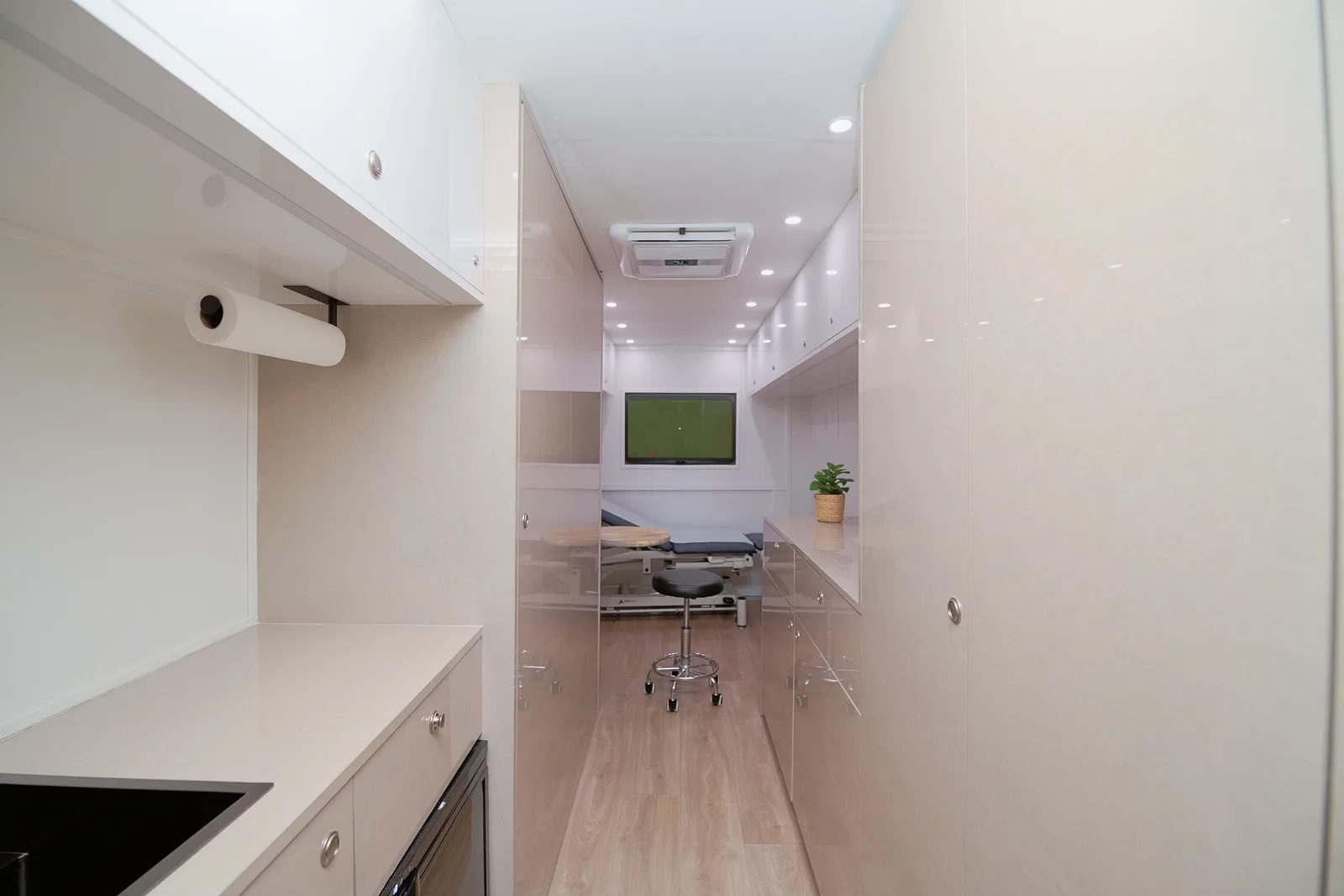
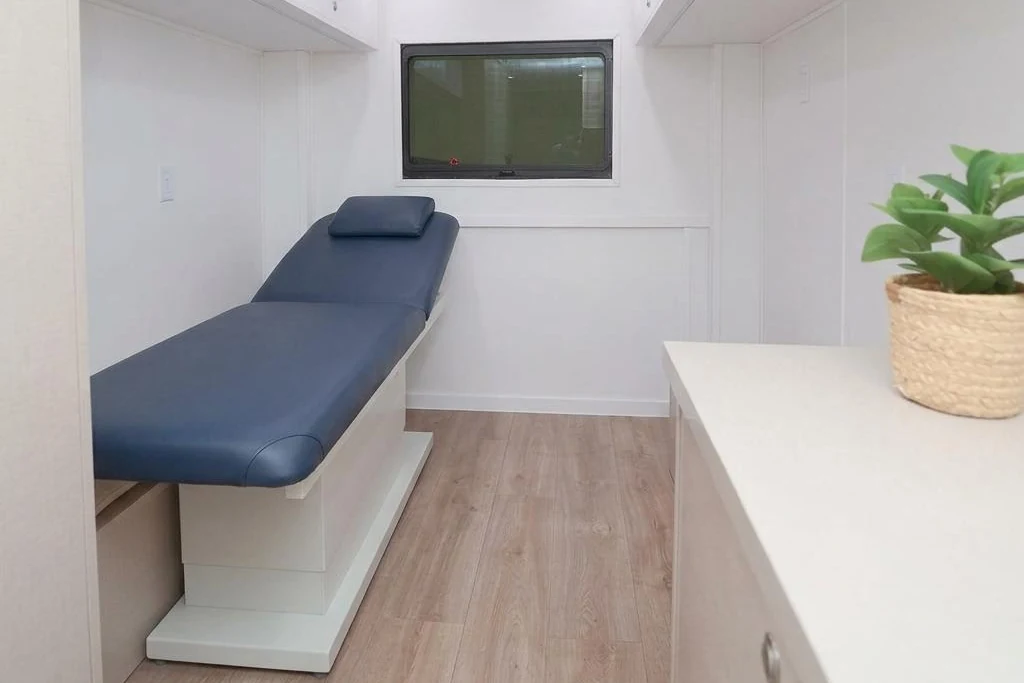
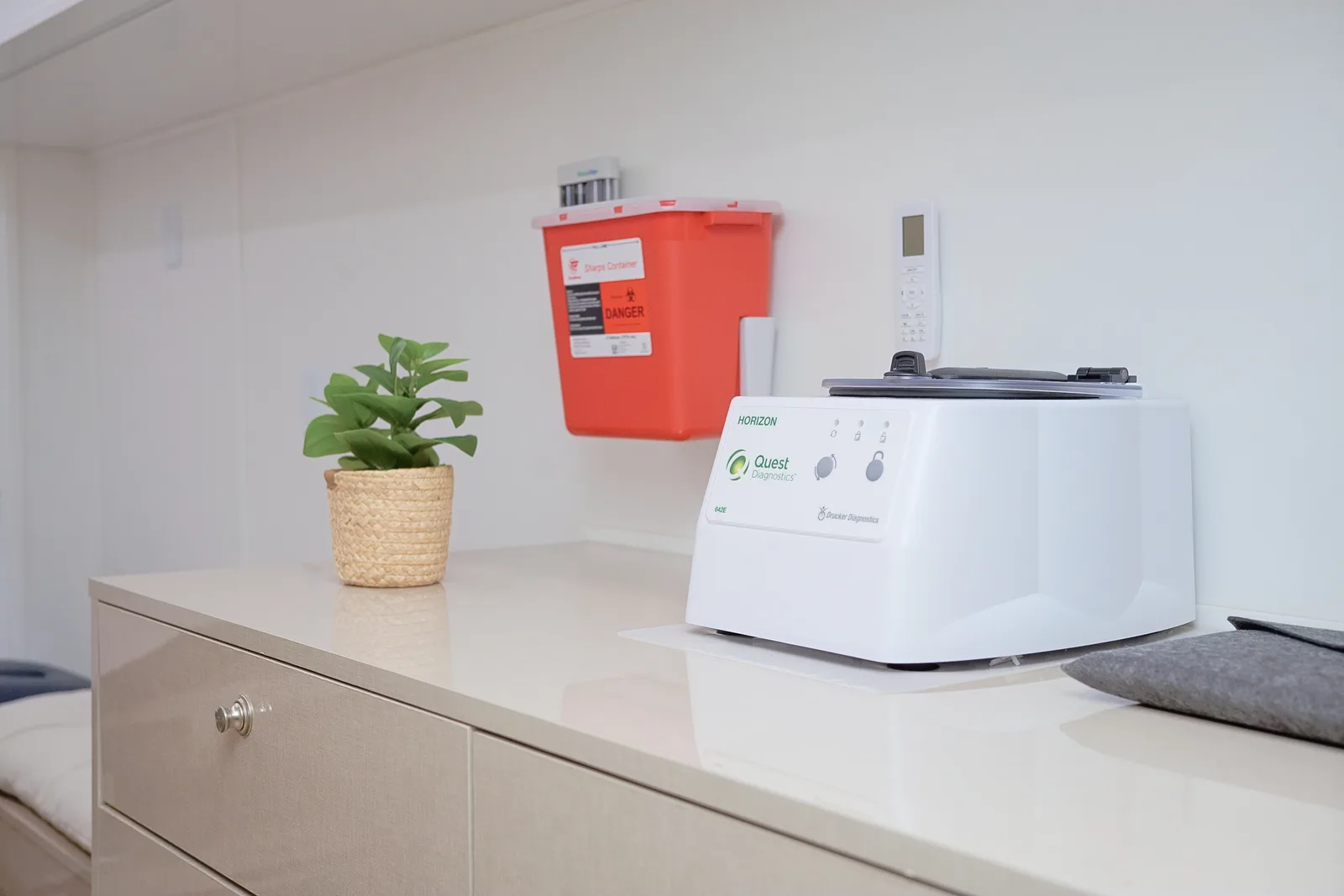
Life moves fast — especially in South Florida and the Orlando metro, where busy schedules, year-round social calendars, and the pressure to "do it all" can push your own health to the bottom of the list. But your wellbeing isn't a luxury. It's the foundation everything else is built on.
Whether you're navigating your 30s, managing perimenopause in your 40s and 50s, or staying vibrant well into your 60s and beyond, proactive women's health care makes an enormous difference. Here's what deserves your attention — and why having a physician who comes to you changes the game.
Your Body Changes. Your Care Should Too.
Women's health isn't a single chapter — it's an ongoing story with distinct phases, each bringing its own priorities.
Your 30s: Building the Foundation
This is the decade when many women are at their most stretched: career demands, young families, aging parents. Preventive care often falls through the cracks — and that's exactly when it matters most.
Key priorities in your 30s include:
- Annual wellness exams to track blood pressure, cholesterol, blood sugar, and thyroid function
- Cervical cancer screening (Pap smears and HPV testing on the schedule your doctor recommends)
- Mental health check-ins — anxiety and depression are common and very treatable
- Skin protection — South Florida's UV index is no joke, and skin damage accumulates over time
Your 40s and 50s: Navigating Hormonal Shifts
Perimenopause and menopause are normal transitions, but that doesn't mean you have to white-knuckle your way through them. Fluctuating estrogen levels can affect sleep, mood, libido, weight, bone density, and cardiovascular health — often all at once.
A few things worth discussing with your doctor:
- Hormone replacement therapy (HRT) — the conversation around HRT has evolved considerably, and it may be appropriate and beneficial for many women
- Bone density screening — osteoporosis risk rises after menopause, and early detection is key
- Mammography — talk with your physician about the right screening schedule for your personal risk profile
- Cardiovascular risk — heart disease is the leading cause of death for women, and risk increases after menopause
Your 60s and Beyond: Staying Strong and Independent
Longevity isn't just about adding years — it's about living those years well. Women in this phase often benefit from a sharper focus on cognitive health, fall prevention, joint health, and maintaining an active social life (something our warm Florida and Orlando climate makes wonderfully easy).
Regular medication reviews, vision and hearing checks, and open conversations about sleep quality all become increasingly important.
The Conditions Women Often Overlook
Certain conditions disproportionately affect women, yet they're frequently underdiagnosed or dismissed.
Thyroid disorders are significantly more common in women and can masquerade as fatigue, weight changes, or mood shifts — symptoms that are too often chalked up to "just stress."
Autoimmune conditions — including lupus, rheumatoid arthritis, and Hashimoto's thyroiditis — affect women at higher rates and can take years to diagnose without a vigilant physician.
Polycystic ovary syndrome (PCOS) affects women of reproductive age and has implications far beyond fertility, including metabolic and cardiovascular health.
Anxiety and depression remain underreported among women, particularly high-achieving women who feel pressure to appear fine. You deserve support, full stop.
Why Concierge Medicine Works So Well for Women
Here's the honest truth: a 10-minute appointment in a crowded waiting room is not enough time to talk through hormonal symptoms, review lab trends, and discuss mental wellness. It's especially not enough time if you're also managing a household, running a business, or caring for others.
With PrimeCare VIP, your physician comes to your home, office, or hotel — on your schedule. That means:
- No waiting rooms, no commute — care fits around your life, not the other way around
- Longer, unhurried appointments where you can actually talk through what's going on
- Continuity — your doctor knows your history, your goals, and your preferences
- Same-day or next-day visits when something feels off and you don't want to wait
For women managing busy households in Palm Beach, Broward, or Miami-Dade, or those in the Orlando area juggling work and family, having a physician in your corner who truly knows you is one of the most powerful health investments you can make.
Take the First Step
You spend a lot of energy taking care of everyone around you. PrimeCare VIP is here to take care of you — with the time, attention, and expertise you deserve.
Schedule a complimentary consultation with a PrimeCare VIP physician today. It's a no-pressure conversation about your health goals, your concerns, and how concierge house-call care can fit into your life.
Because feeling your best isn't a nice-to-have. It's everything.
