


Staying Ahead of Your Health in the South Florida Sun
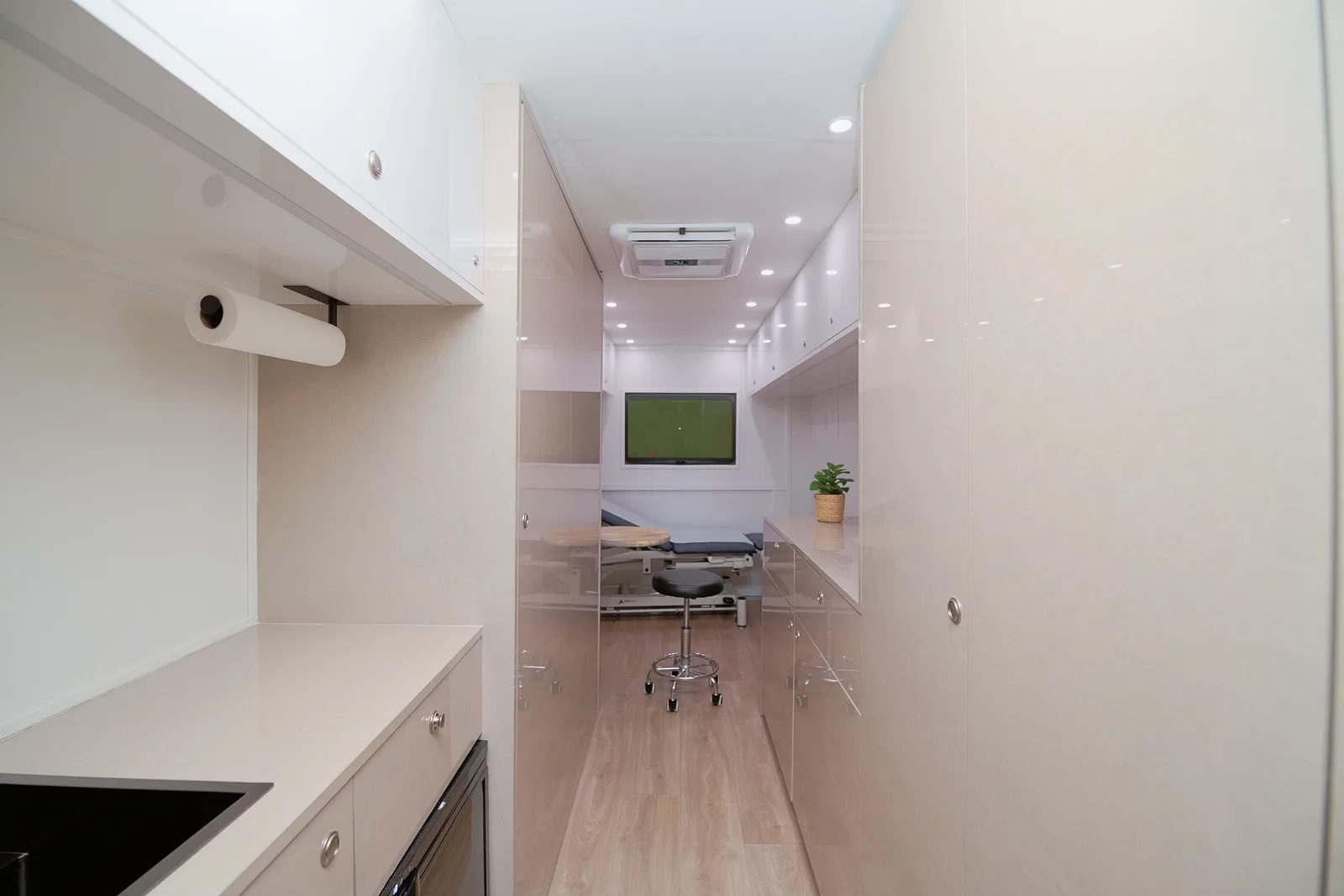
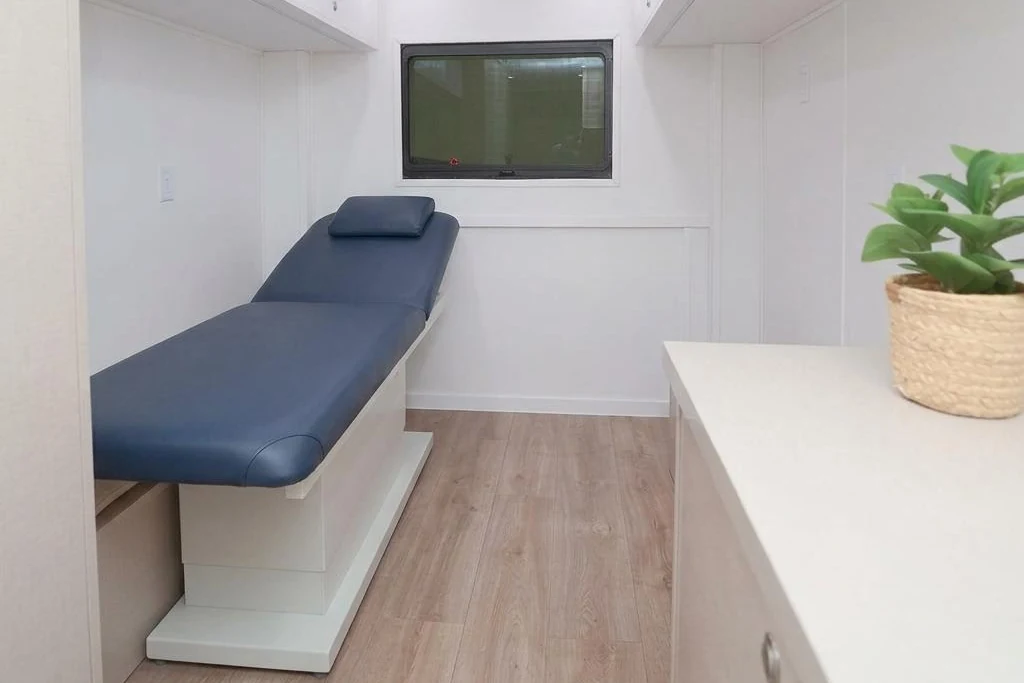
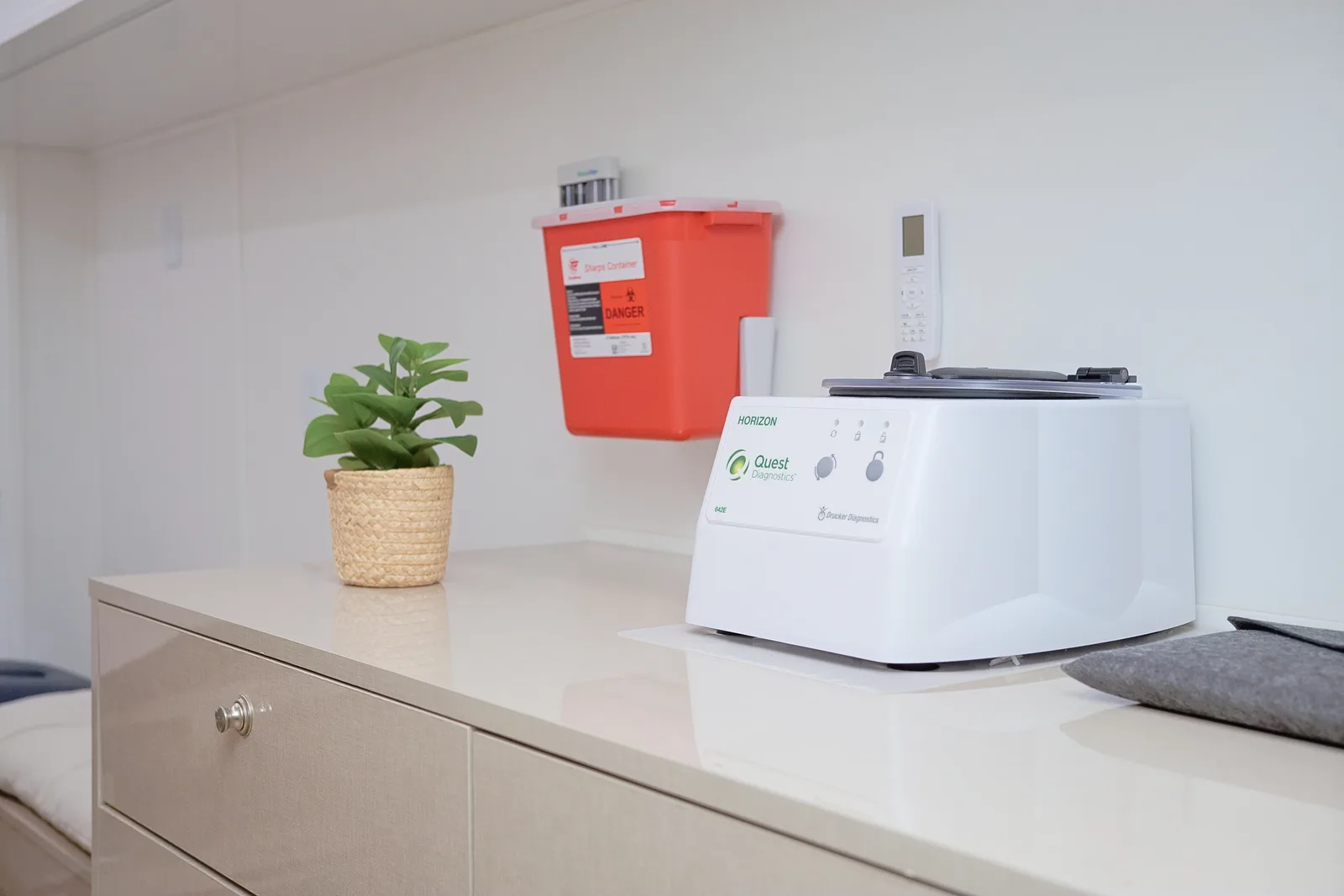
Private. Equipped.
At your door.
_1787238367952-d1mTKZIu.png)
South Florida is one of the best places in the world to be active, social, and outdoors. Year-round sunshine, waterfront living, and a culture that genuinely values looking and feeling good — it all adds up to a lifestyle most people envy. But that same lifestyle comes with its own set of health considerations that often get overlooked in the rush of daily life.
Preventive medicine isn't about fixing what's broken. It's about making sure nothing breaks in the first place. And in a place like Palm Beach, Broward, Miami-Dade, or the greater Orlando area, that means paying attention to factors that are specific to where and how you live.
The South Florida Health Equation Is Different
If you moved here from the Northeast or Midwest, your body is adjusting to more than just a warmer zip code. The heat, humidity, and sun intensity here are significant — and they interact with your health in ways that are easy to underestimate.
Heat and Hydration
Chronic, low-grade dehydration is remarkably common in South Florida, especially among active adults and older residents. When temperatures stay high for months at a stretch, your body works harder to regulate its core temperature. Most people simply don't drink enough water to keep up.
Signs of under-hydration aren't always obvious — fatigue, headaches, brain fog, and even elevated blood pressure can all be related. A preventive care visit is a good opportunity to talk honestly about your hydration habits and get a baseline look at kidney function and electrolyte levels.
UV Exposure and Skin Health
Florida consistently ranks among the states with the highest rates of skin cancer — and it's not surprising given how much time residents spend outdoors. This doesn't mean you need to avoid the beach or the golf course. It means sun-smart habits and regular skin checks matter more here than almost anywhere else in the country.
A thorough annual physical should include a skin assessment and a conversation about your sun exposure patterns. If anything looks questionable, your physician can refer you quickly to a dermatologist.
What a Real Preventive Health Plan Looks Like
Preventive medicine means different things at different life stages. Here's a broad look at what tends to matter most for busy South Florida adults:
Annual bloodwork and vitals
- Comprehensive metabolic panel (kidney and liver function, blood sugar, electrolytes)
- Lipid panel (cholesterol)
- Thyroid function
- Vitamin D levels — deficiency is surprisingly common even in sunny climates
- Complete blood count
- Blood pressure, resting heart rate, and weight trends
Age-appropriate screenings
- Colonoscopy starting at 45 for average-risk adults (earlier if there's family history)
- Mammograms and gynecological care for women
- PSA screening discussions for men over 50
- Bone density screening for women after menopause
- Cardiovascular risk assessments for adults with high blood pressure, diabetes, or family history
Lifestyle-specific conversations
- Nutrition in a culture built around dining out and social events
- Alcohol habits — South Florida's social scene can make moderation harder than it sounds
- Sleep quality, especially for executives and frequent travelers
- Stress management for high-performing professionals and entrepreneurs
The Orlando Factor
Orlando's population skews younger than coastal South Florida, but it's one of the fastest-growing metro areas in the country — and with growth comes stress, sedentary work habits, and a healthcare system that's perpetually stretched. Preventive care is just as important for the busy Orlando family as it is for the Palm Beach retiree. The specifics just look a little different.
Why Most People Still Don't Prioritize Prevention
Honestly? Time. The number one reason patients give for skipping their annual physical or letting bloodwork slide is that they simply didn't get around to scheduling it — or couldn't get an appointment that worked with their calendar.
This is exactly why concierge and house-call medicine exists. When a physician can come to your home, your office, or your hotel suite — on your schedule — the friction disappears. There's no driving across town, no waiting room, no rushed 12-minute appointment with someone who barely knows your name.
Preventive care works best when it's continuous and personal, not episodic and anonymous.
Start with a Conversation
If it's been more than a year since your last physical, or if you've been meaning to get a fuller picture of where your health actually stands, this is a good moment to act on that.
PrimeCare VIP offers a complimentary consultation so you can meet with one of our board-certified physicians, talk through your health goals, and find out whether our concierge model is the right fit for you and your family. No obligation — just a real conversation with a doctor who has time to listen.
Your health is the asset that makes everything else possible. Protect it accordingly.
