


House Calls Are Back: Why Doctors Are Coming to You Again
Private. Equipped.
At your door.
_1787238367952-d1mTKZIu.png)
TL;DR House calls aren't a relic — they're one of the fastest-growing segments of American medicine. Driven by aging demographics, telehealth fatigue, and clinical evidence that home-based care reduces hospitalizations, doctors are coming to patients again. Prime Care VIP brings true in-home physician visits across South Florida and Orlando.
In This Article
- The Quiet Comeback of the House Call
- Why Home-Based Care Is Surging Now
- What the Research Actually Shows
- What a Modern House Call Looks Like
- Who Benefits Most
- House Call vs. Telehealth vs. Office Visit
- How Prime Care VIP Does House Call Care
The Quiet Comeback of the House Call
For most of the 20th century, house calls were how American medicine worked. In 1930, roughly 40% of doctor-patient encounters happened in the patient's home. By 1980, that number had collapsed to under 1%. Insurance billing rules, hospital-centric training, and the rise of the medical office building had reshaped where care happened — but not, it turns out, where care worked best.
Now the pendulum is swinging back. The American Academy of Home Care Medicine reports steady year-over-year growth in home-based primary care, and Medicare's expansion of home-visit reimbursement has accelerated the trend. Patients are asking for it. Physicians are returning to it. And the clinical data suggests there are good reasons for both.
Why Home-Based Care Is Surging Now
Three forces are converging. First, demographics: 10,000 Americans turn 65 every day, and the over-75 population is growing faster than any other age group. Mobility-limited patients can't easily get to traditional medical offices — and the ones who can often shouldn't, because waiting rooms are reservoirs for everything they don't need to catch.
Second, telehealth fatigue. The 2020s taught everyone that video visits are convenient but limited. You can't listen to a heart murmur through a phone screen. You can't really assess swelling, gait, or pain from a webcam. Patients want the convenience of telehealth with the clinical depth of an in-person exam — and home visits deliver both.
Third, value-based care economics. Insurers and Medicare have figured out that home-based care reduces emergency room visits and hospital admissions, which means it actually saves money even though the visit itself takes longer.
What the Research Actually Shows
The clinical evidence is strong. A landmark JAMA Internal Medicine study found that home-based primary care for medically complex patients reduced hospital admissions by 17% and emergency department visits by 9%. A separate analysis in Health Affairs showed that Medicare's Independence at Home demonstration saved an average of $2,700 per patient per year while improving quality scores.
The reason isn't mysterious. When a physician sees a patient at home, they see context: the medications actually in the cabinet, the rug that's a fall risk, the empty fridge that explains the dizziness. That context catches problems before they become emergencies.
What a Modern House Call Looks Like
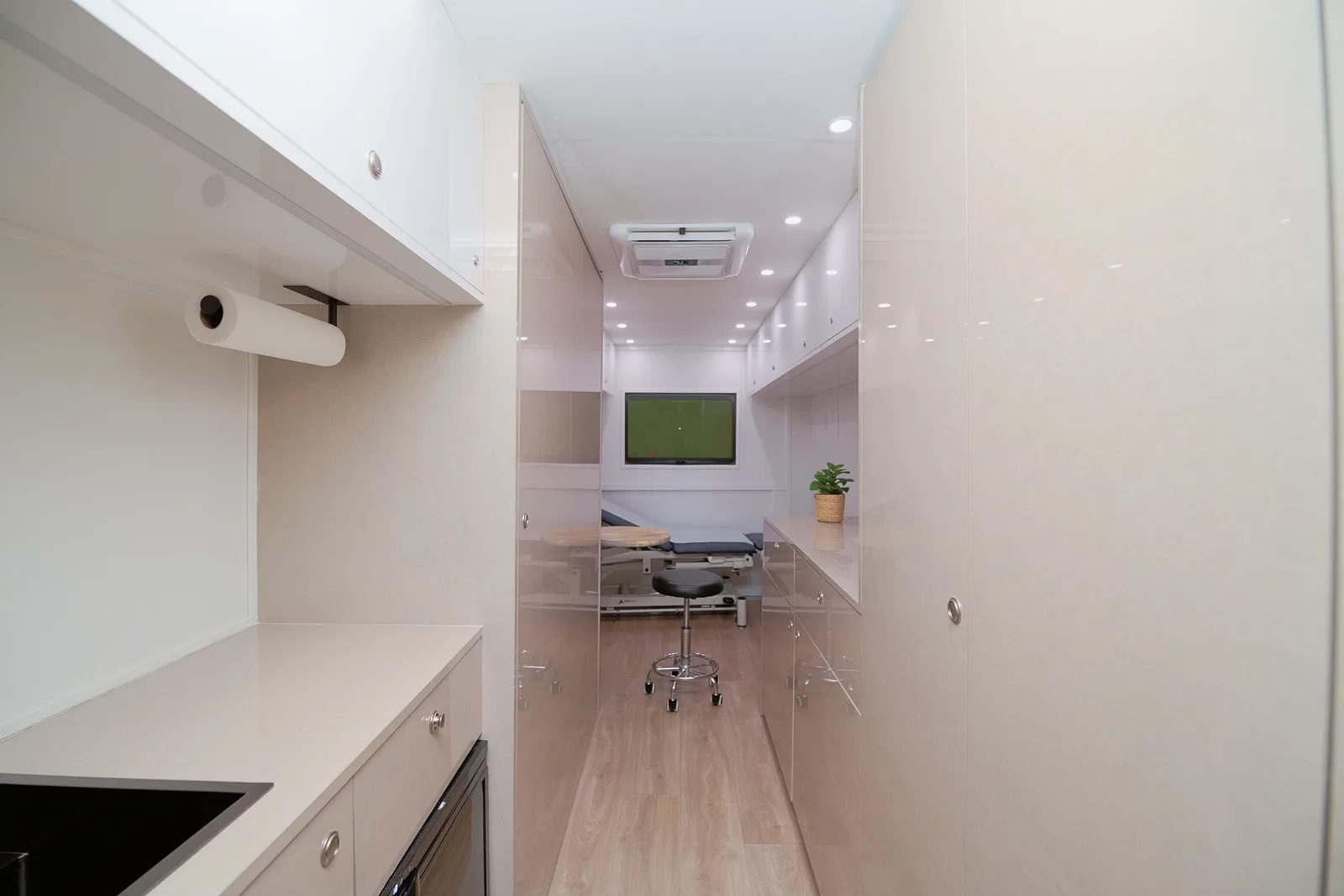
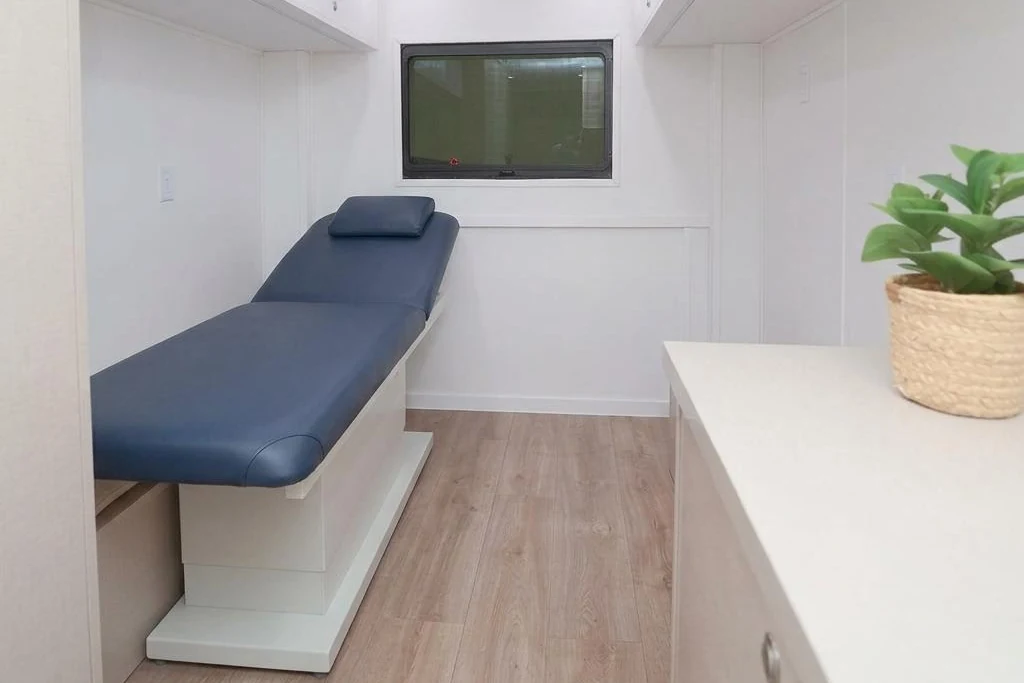
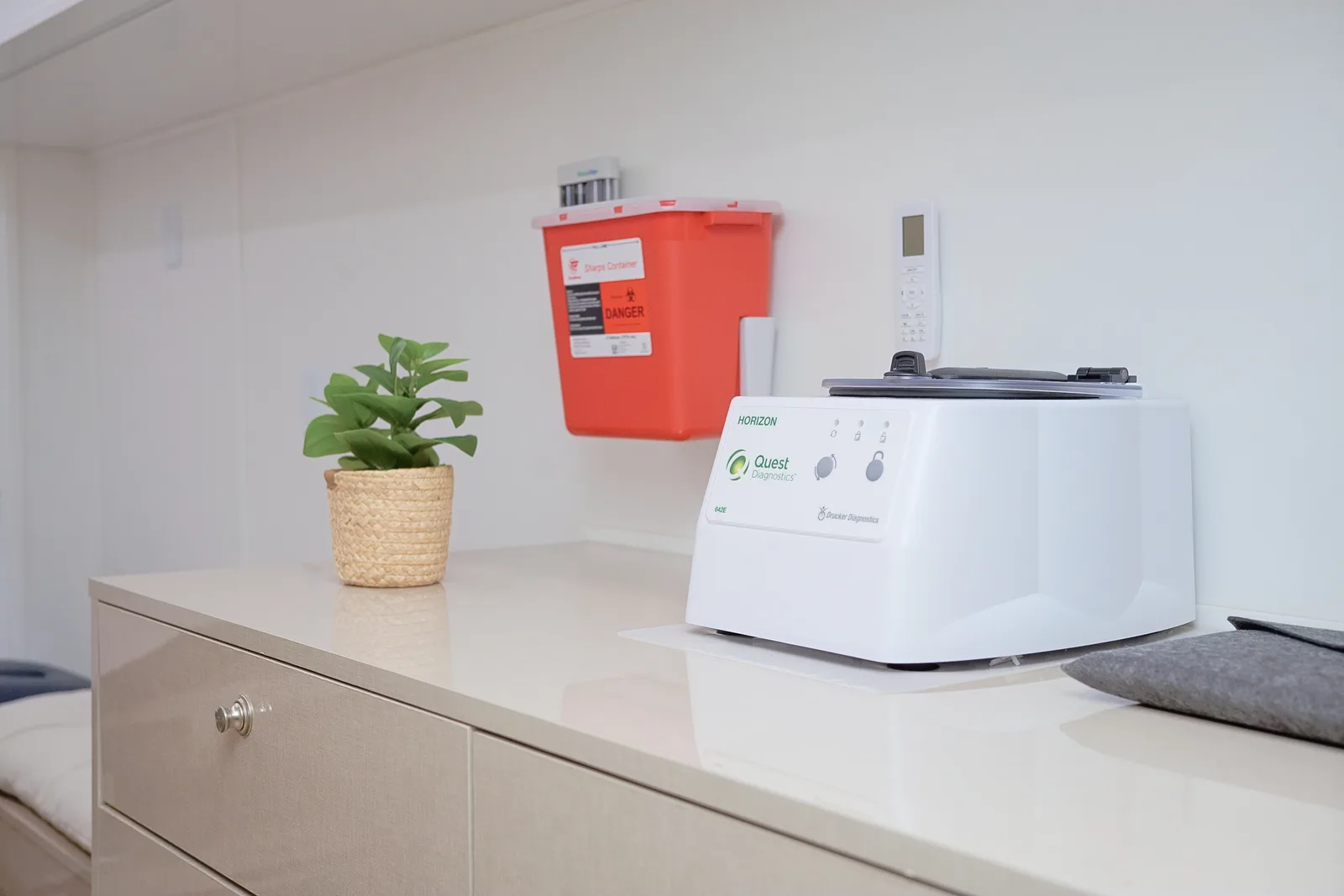
Forget the black-bag stereotype. A modern house call is a fully equipped clinical visit. Our physicians arrive with portable diagnostic equipment, point-of-care lab capabilities, EKG, ultrasound, and the ability to draw blood, administer IV fluids and medications, perform minor procedures, and write prescriptions sent directly to your pharmacy.
Visits typically run 45–60 minutes — long enough to actually examine you, talk through what's going on, and build a real plan. There's no rushing. There's no co-pay confusion at the desk. You answer the door in your slippers, and the doctor gets to work.
Who Benefits Most
Home-based care is a fit for far more patients than the traditional "homebound senior" stereotype suggests. We see busy parents who can't drag a sick toddler into a crowded pediatric office, executives who can't carve four hours out of a workday for a 15-minute visit, post-surgical patients recovering at home, anyone with mobility limitations, and people simply at home with a fever who shouldn't be driving anywhere.
It's also ideal for chronic disease management. Seeing a diabetic patient in their kitchen reveals more about their actual diet than any food diary ever will.
House Call vs. Telehealth vs. Office Visit
Each format has its place. Telehealth is excellent for medication refills, follow-up questions, and triage. Office visits make sense for procedures requiring specialized in-traditional medical office equipment. House calls win when you need a hands-on physical exam in a real-world setting — which turns out to be most of the time.
At Prime Care VIP, members can use any of the three. We meet you wherever the visit needs to happen.
How Prime Care VIP Does House Call Care
We've built our practice around the in-home visit. Our clinicians serve South Florida (Boca Raton, Delray Beach, Boynton Beach, Fort Lauderdale, Miami, and surrounding areas) and Orlando, and house calls are included in every membership tier — no per-visit fee, no surprise charges.
If you're tired of the waiting-room model and curious whether home-based concierge care fits your life, reach out for a free 15-minute consultation. We'll come to you.
